
Sleep Studies
Take A Closer Look At Your Sleep
Clinic Hours
Monday – Friday
9:00 am – 5:00 pm
Saturday
CLOSED
Sundays and Public Holidays
CLOSED
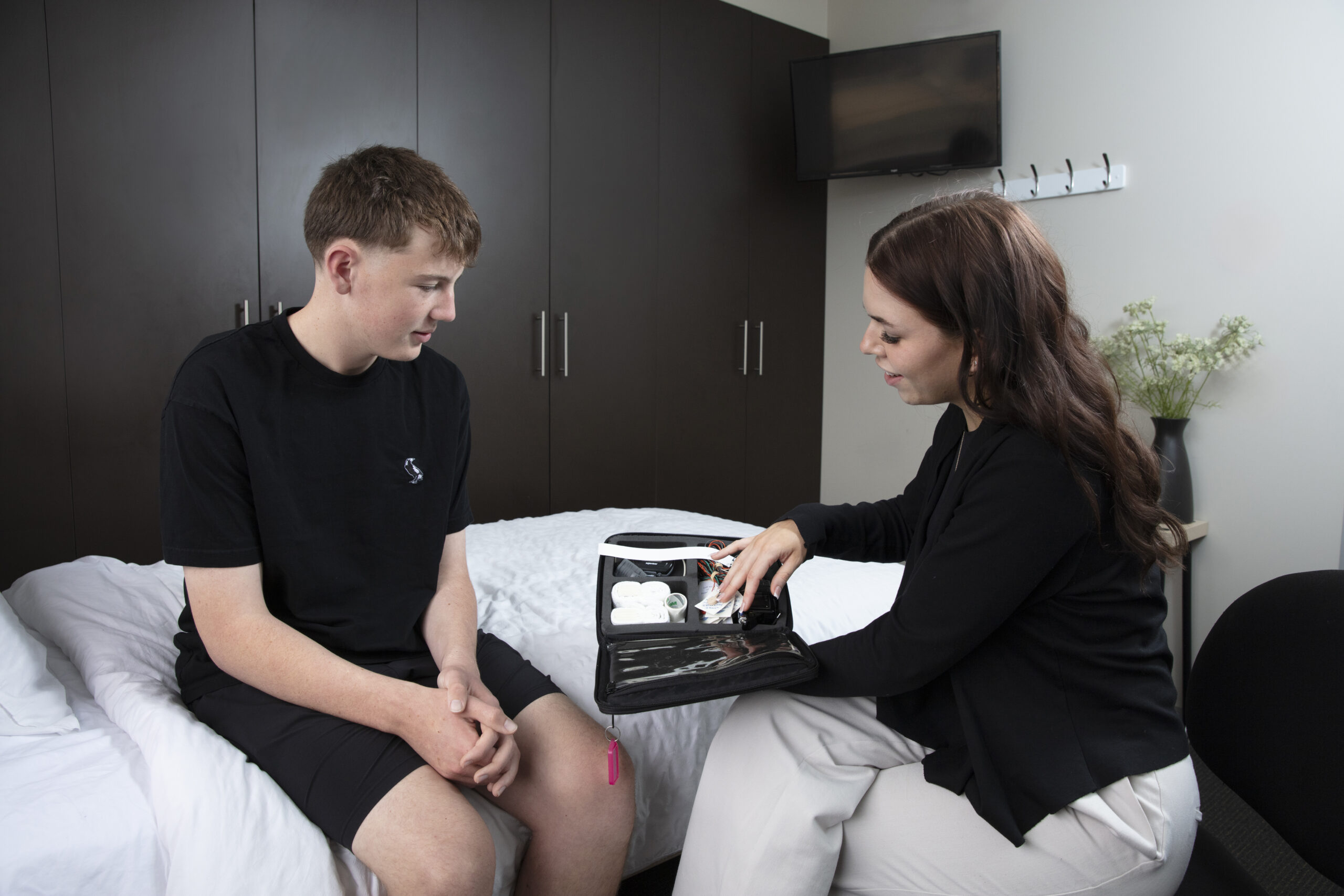
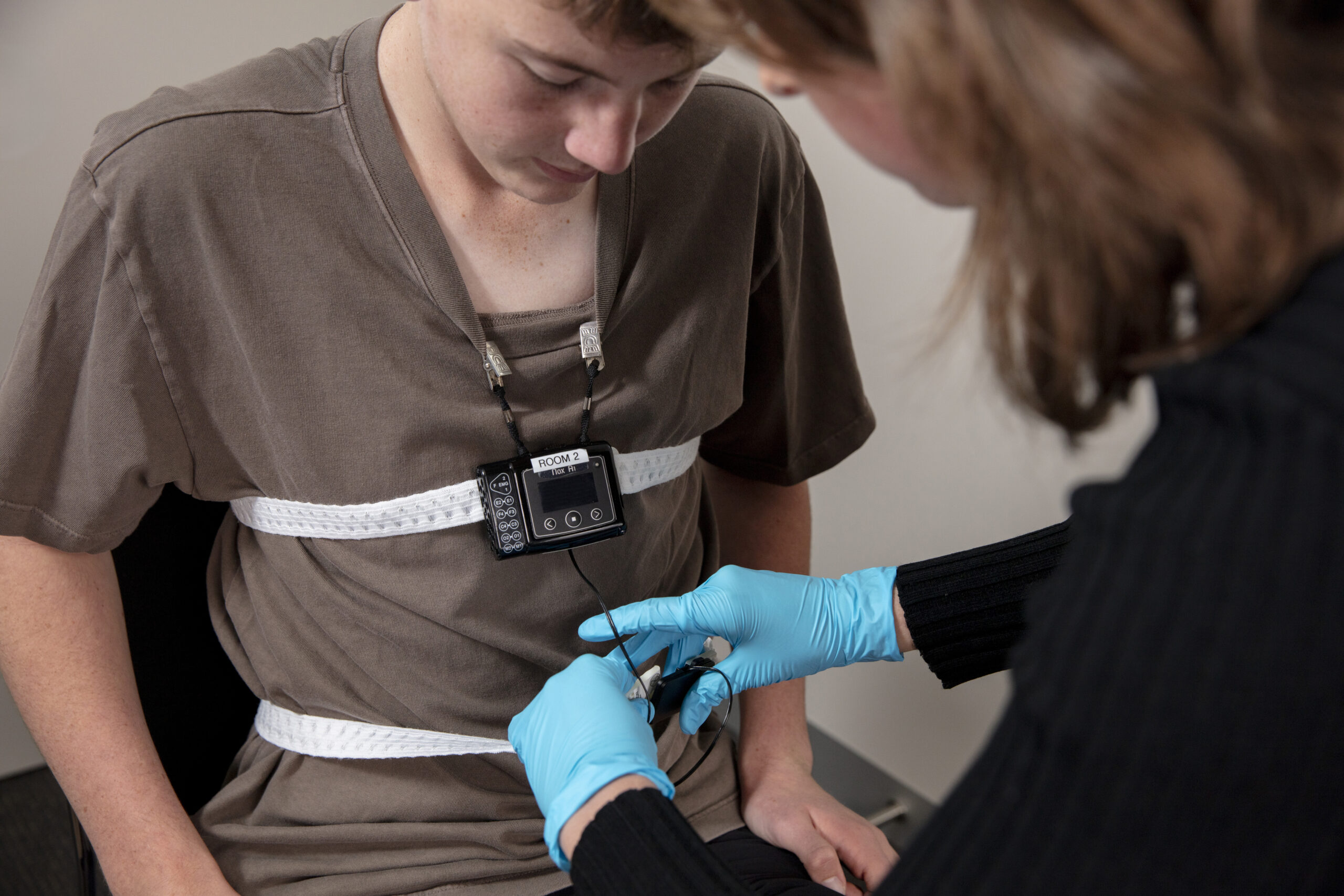
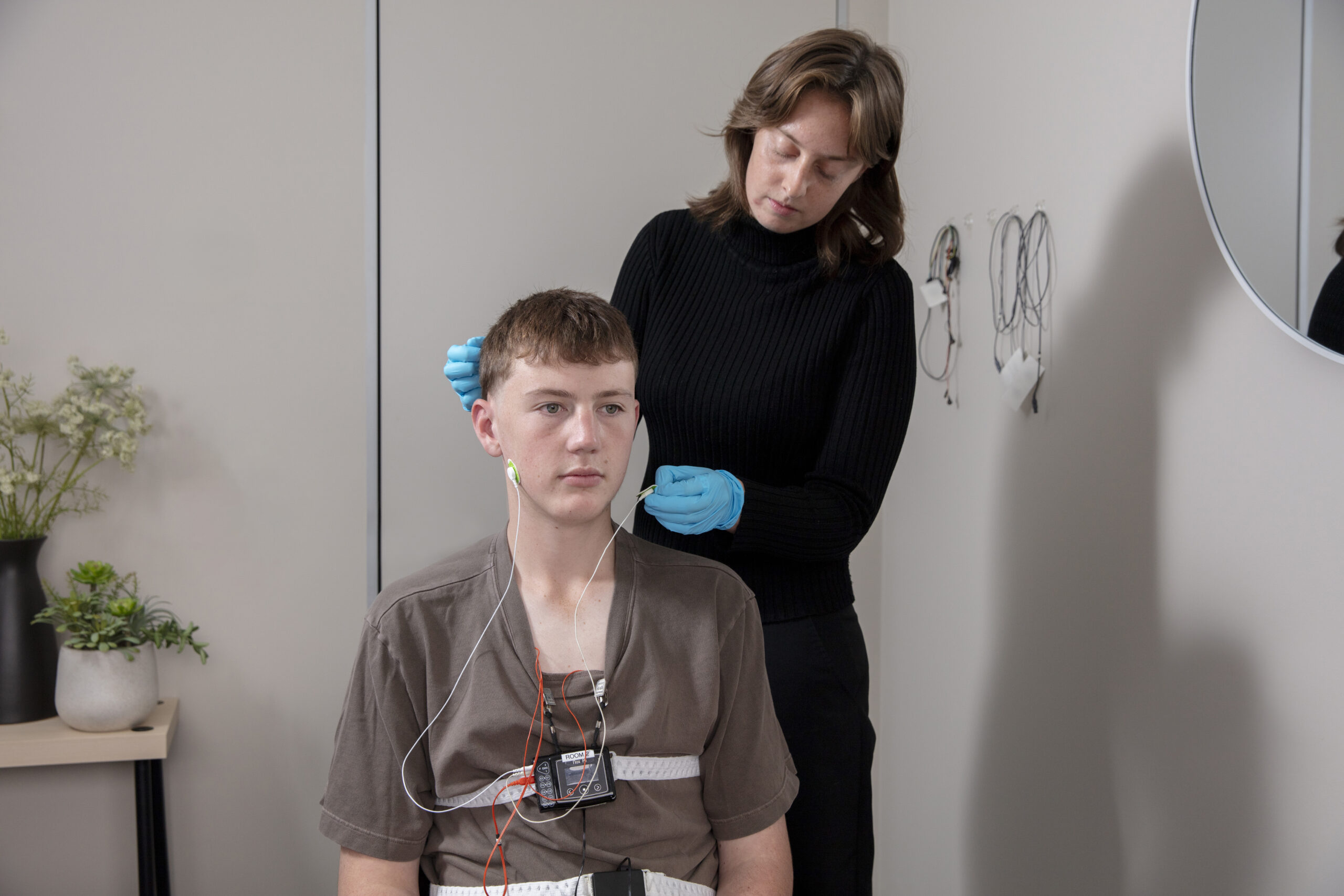
A sleep study is a detailed neurophysiological test that monitors and records various body functions during your sleep. This includes brain activity (EEG), muscle tone (EMG), heart rate (ECG), breathing patterns, oxygen levels, leg movements, and video recordings of any unusual behaviors or movements. Depending on your specific condition, additional tests may be added to provide a comprehensive assessment.
Types of Sleep Study
Attended Studies
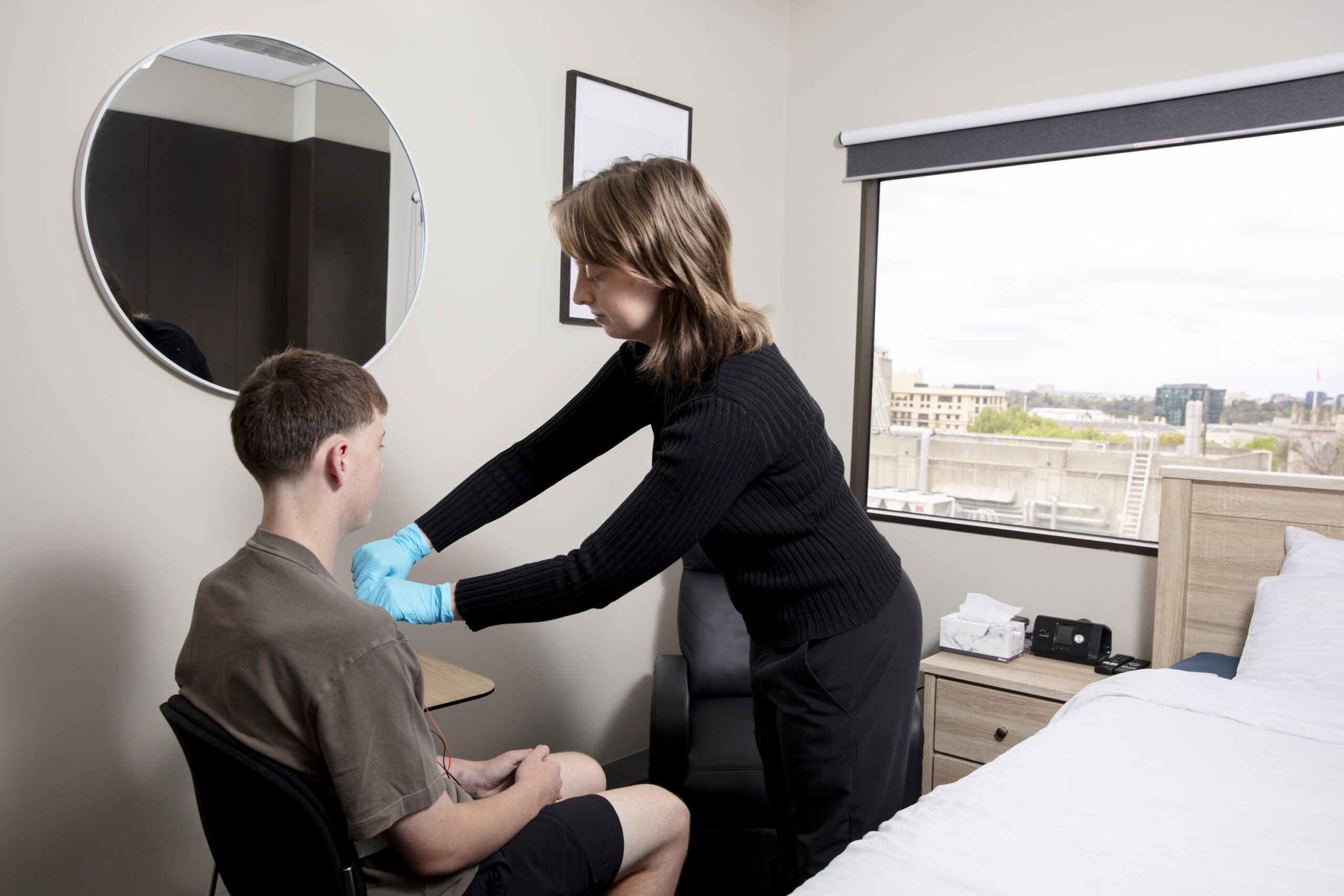
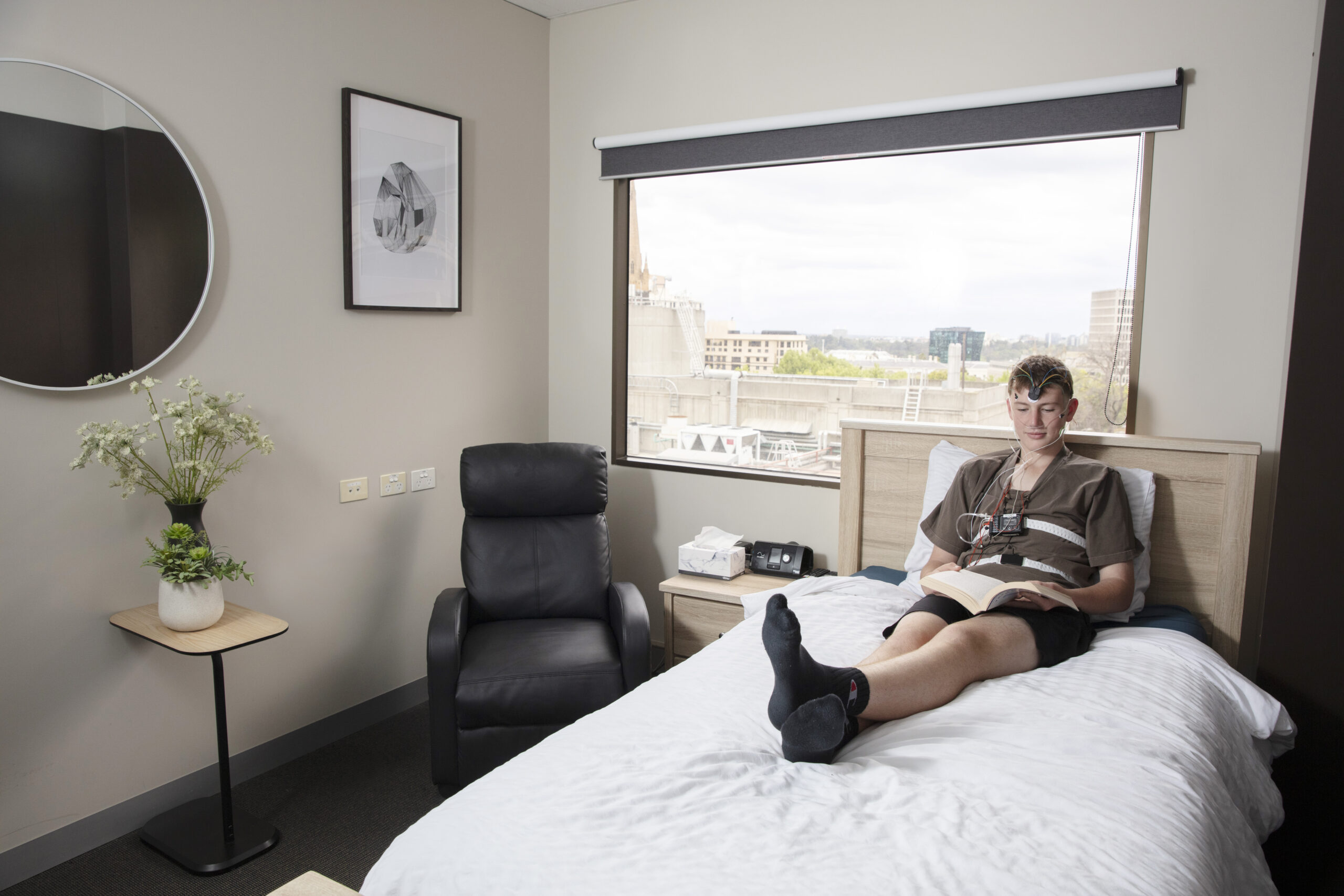
A dedicated sleep environment, either within a hospital or in an out-patient facility, with advanced sleep monitoring. Our specialist technicians set up all of the equipment, track your sleep in a comfortable, private room with expert technicians present to correct any compromised monitoring signals. Perfect for complex sleep disorders requiring detailed analysis or when you just want the peace of mind that everything is looked after for you.
Treatment initiation studies are also conducted with a sleep technician present. This enables the manual adjustment of treatment, to enable the physician to determine the best balance of sleep quality and treatment recommendations, to ensure you get the best balance of treatment and sleep quality.
With some patients a prolonged overnight study, followed by a daytime test is required. These tests are often used to assess sleep disorders in patients that are excessively sleepy and despite good overnight sleep, remain fatigued. These prolonged tests can also be used to assess the success of treatment, to ensure your sleep quality and outcomes are optimised.
Unattended Studies / Home based Studies
Monitor your sleep from the comfort of your own home with our easy-to-use portable devices. These compact monitors track essential sleep data without disrupting your routine, making them ideal for less complicated sleep disorders. These are not suitable for all conditions and patient presentations but can be discussed with the physician when looking at diagnostic options.
Over the last 50 years, scientists have tried to unravel mysteries, by monitoring people as they sleep.
How does a sleep study work?
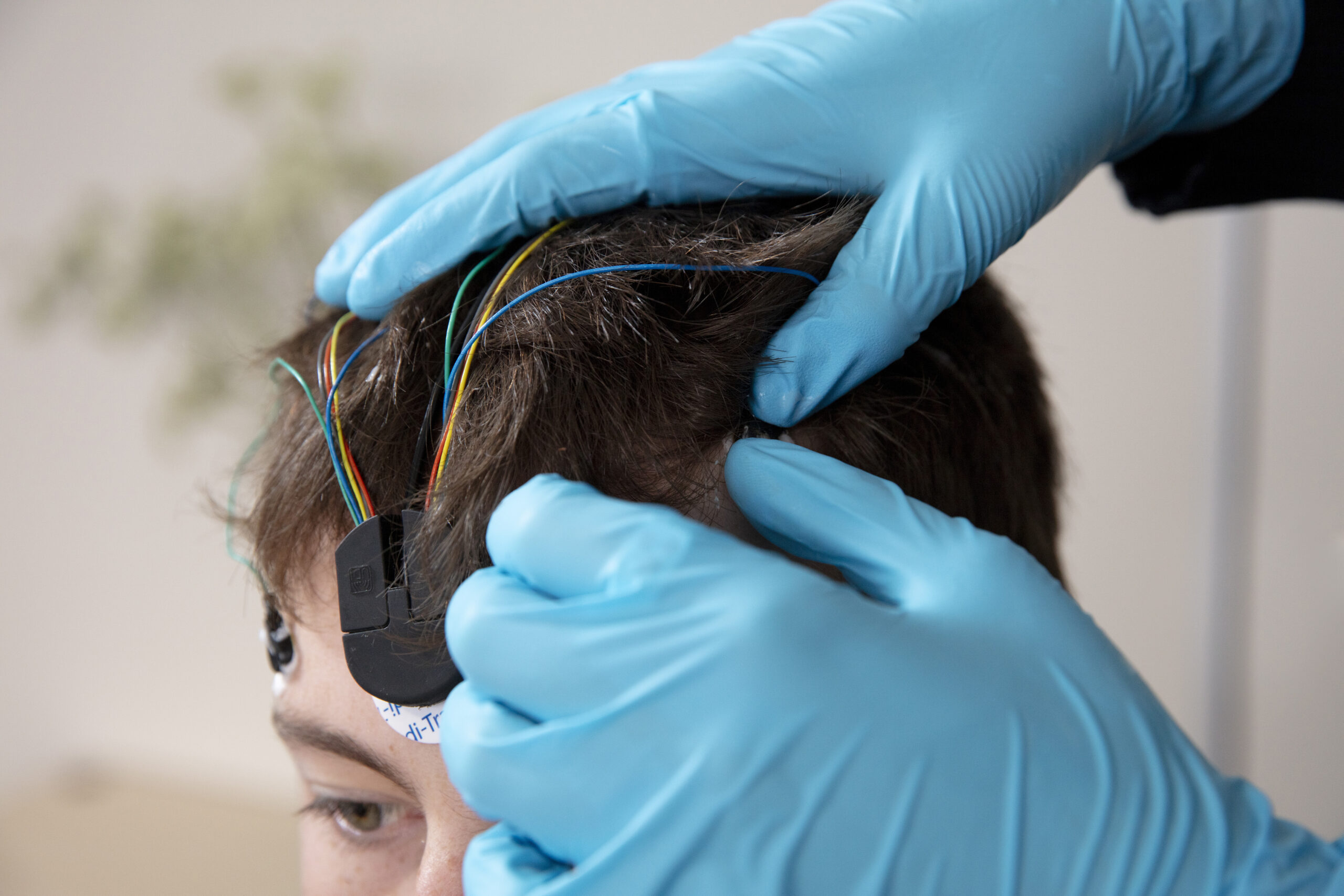
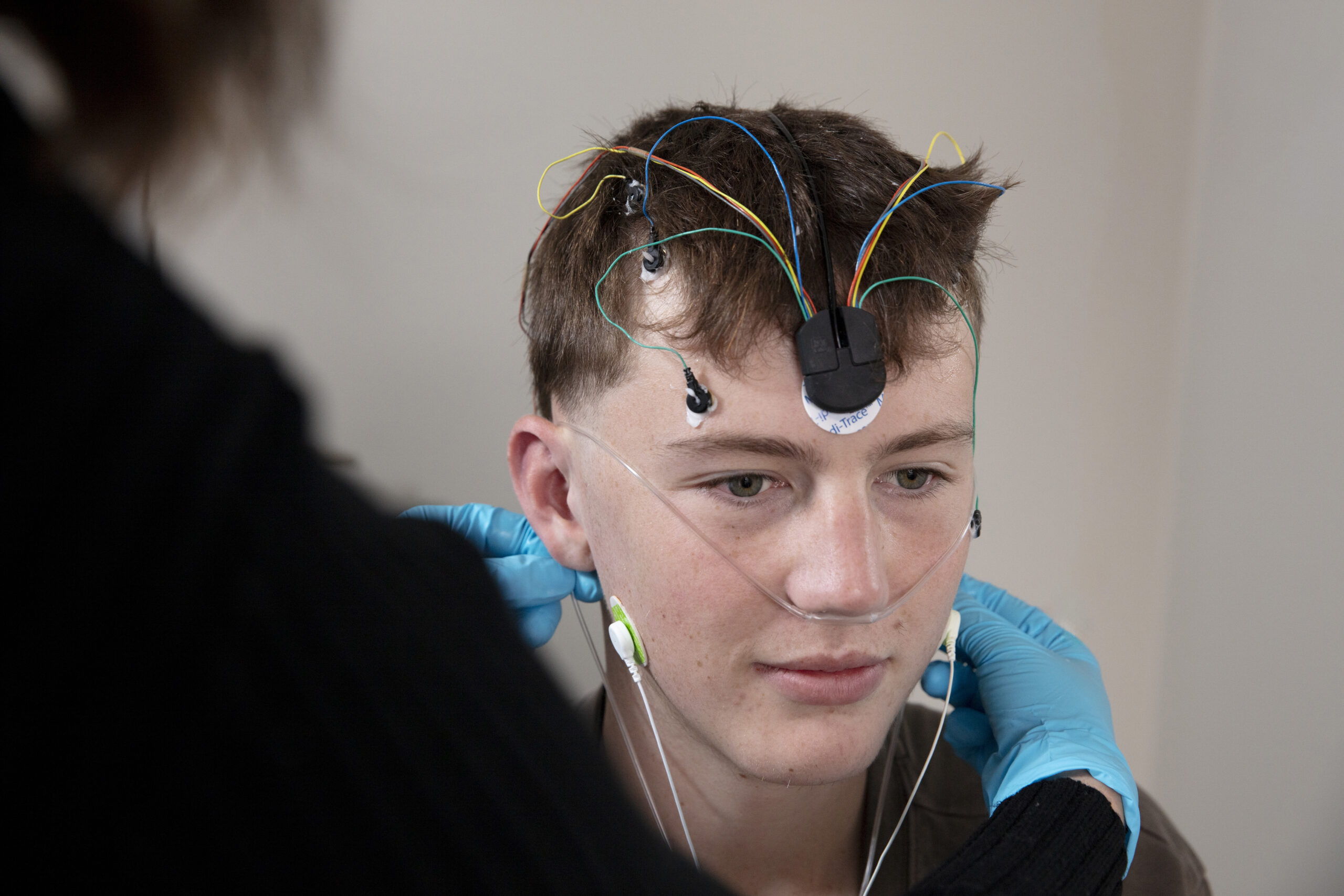
Sleep studies are generally conducted in a sleep laboratory, which is a specially constructed facility, often within a hospital, with measures to control noise, light and electrical interference. In the evening, sleep technologists apply recording electrodes, and monitor recordings whilst patients are sleeping. Alternatively, advances in technology now allow good quality sleep recordings to be performed in the home. In around 1 in 20 cases, sleep studies performed at home need to be repeated because a critical recording electrode has become disconnected during sleep. For selected patients, having a sleep study at home provides an alternative to sleep laboratory-based studies.
What happens next?
Once a sleep study has been performed, the data recorded needs to be analysed. This is very time consuming, as during an average sleep study around 1000 pages of information are recorded, and these are looked at page by page to determine the type of sleep and number of events such as breathing problems that occur across the night.
What does my sleep physician do?
The sleep physician’s role is to integrate the data recorded during a sleep study with a patient’s symptoms to make a diagnosis and treatment plan that is suited to the individual patient.
Sleeping Well Starts Here
Let our experts guide you to better sleep.